August 28, 2026
Locksmiths work with the systems that control access to homes, businesses, vehicles, and secured areas. That responsibility makes careful provider selection especially important. Where locksmith licensing is required, choosing a properly licensed locksmith company gives customers a way to verify that the business has met applicable entry and operating requirements. A license does not eliminate the need to review experience, insurance, pricing, and reputation, but it provides an important starting point for evaluating who will handle sensitive security work.
Understand What a Locksmith License Establishes
Licensing requirements vary by state, county, or municipality. Some jurisdictions regulate individual locksmiths, some regulate businesses, and others may not require a specific locksmith license. Requirements can include an application, fees, identification, examinations, background screening, training, or other conditions, but consumers should not assume that every licensing authority follows the same process.
Before scheduling work, customers can ask for the license number and confirm it through the applicable government database or agency. The name on the license should correspond with the individual or business being hired, and the credential should be active for the location where the service will occur. A business registration, occupational license, or membership badge should not automatically be treated as proof of a locksmith-specific credential when one is required.
Licensing also provides a clearer line of accountability. A regulated provider operates under rules established by the licensing authority and may be subject to complaints or discipline for violations. The available remedies depend on local law, so licensing should not be described as a guarantee of perfect work. It does, however, make it easier to identify the provider and determine whether it is authorized to perform regulated services.
Look for Skill That Matches the Requested Work
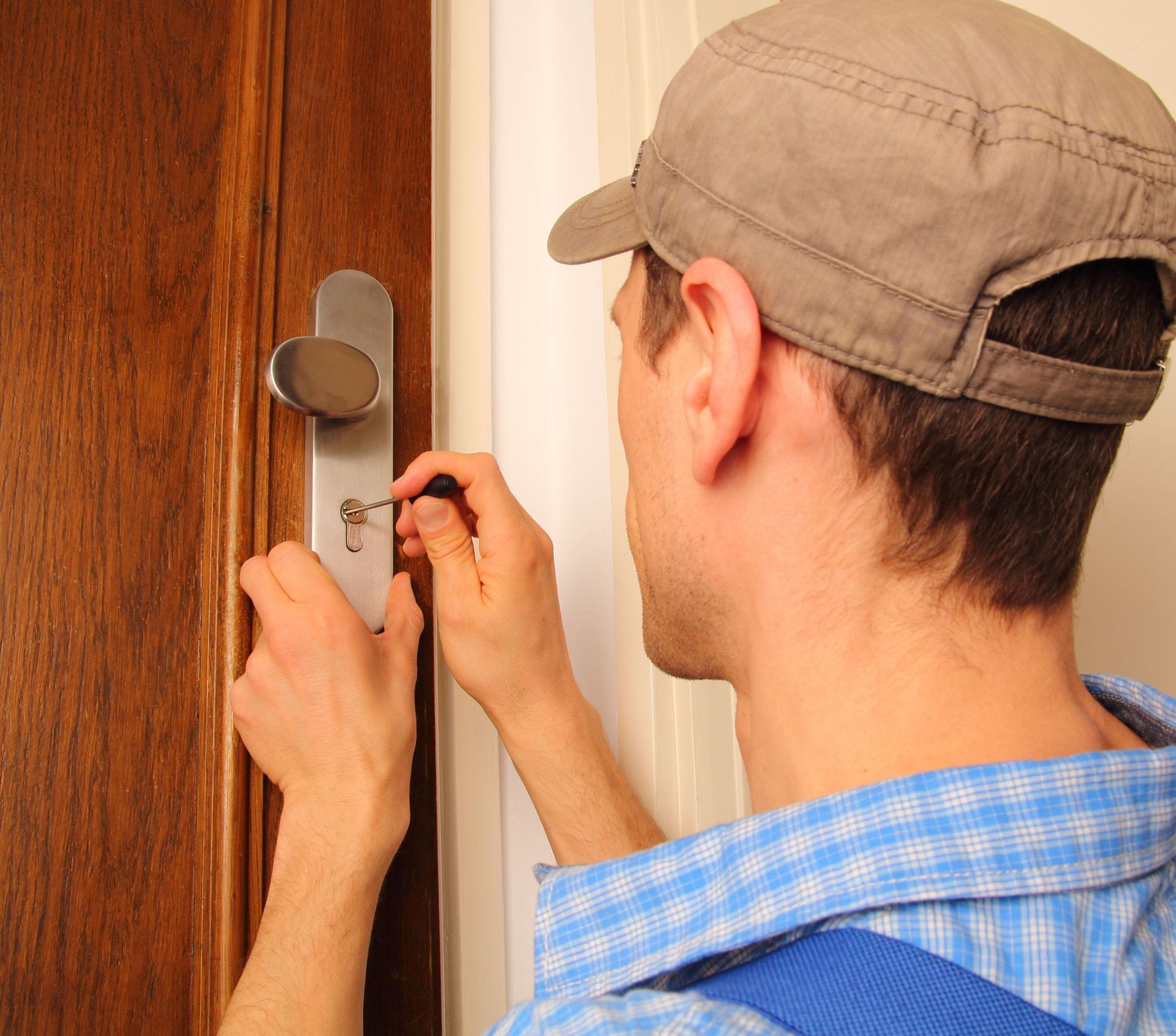
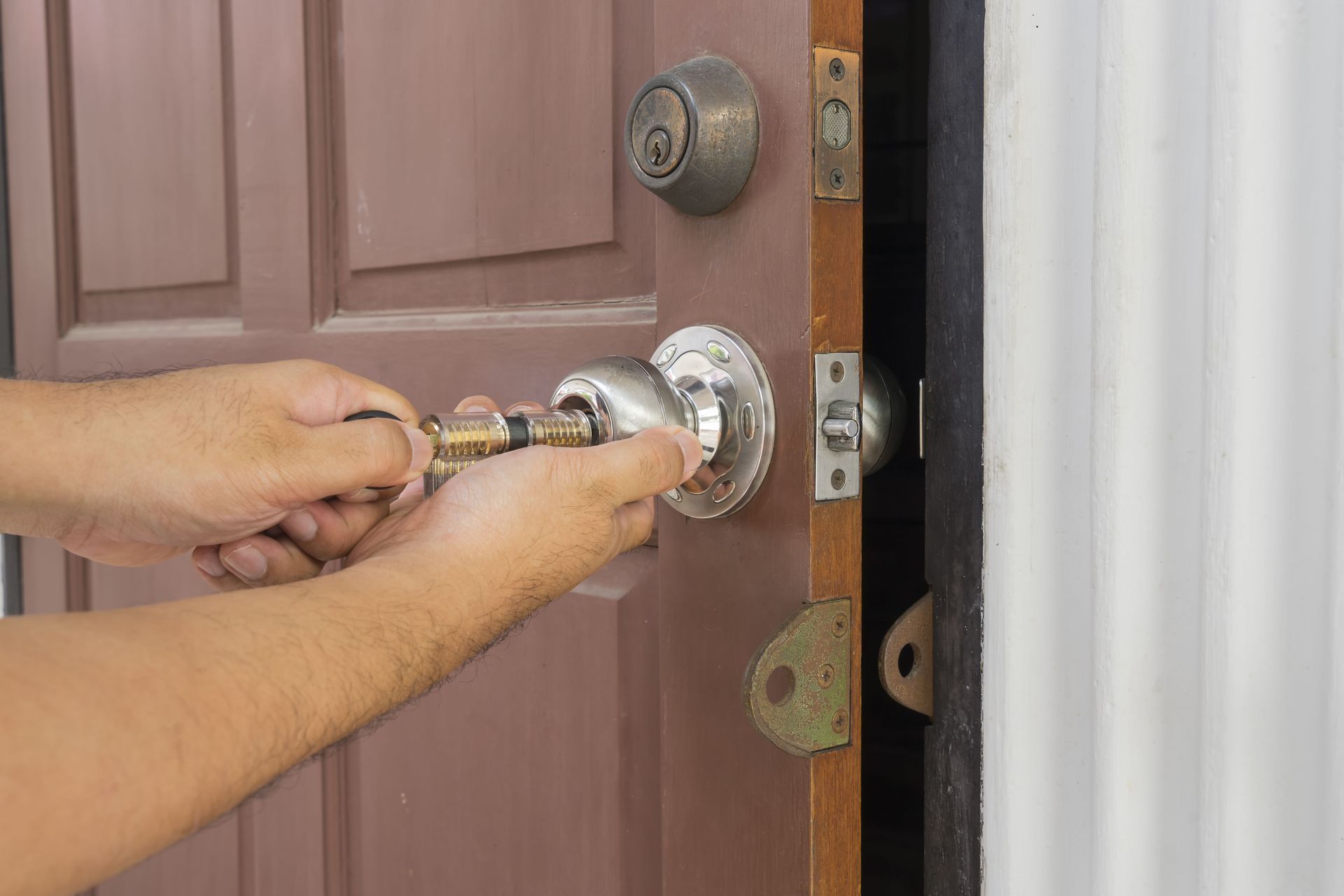
Locksmithing includes more than opening a locked door. A project may involve rekeying, replacing hardware, repairing a damaged lock, duplicating or originating keys, programming compatible vehicle keys, or working with electronic access equipment. Not every locksmith performs every service, and the necessary tools and training differ. Customers should describe the lock, property, symptoms, and desired result so the locksmith company can confirm that the job falls within its capabilities.
Efficient service often reflects preparation and familiarity with the hardware. According to Home Advisor, a skilled professional typically needs approximately 10 to 15 minutes to rekey each lock. The total appointment can take longer because the locksmith may need to inspect the hardware, verify authorization, remove and reinstall components, test keys, or address locks that are damaged or incompatible. The estimate should account for the number and condition of the locks rather than promise identical timing for every unit.
Professional skill also involves knowing when a lock can be serviced and when replacement is more appropriate. A provider should be able to explain the observed condition, available options, and limitations without automatically recommending the most expensive choice. Clear explanations help the customer compare security, compatibility, convenience, and cost.
Expect Identity and Authorization Checks
A responsible locksmith should verify that the person requesting entry or changes is authorized to control the property. Depending on the situation, this may involve photo identification, a matching address, registration documents, a lease, proof of ownership, or confirmation from a property manager. The exact evidence can vary, especially when identification is locked inside, but some form of verification protects owners and occupants from unauthorized access.
Customers should expect the locksmith to arrive in an identifiable vehicle or provide information that matches the dispatched technician. The individual's name, company affiliation, and license details should correspond with the original request when applicable. If an unexpected person arrives, the customer can contact dispatch through the independently verified business number before allowing work to begin.
Confirm Pricing Before Work Begins
Locksmith prices can vary by service, hardware, time of day, travel distance, difficulty, and emergency conditions. A telephone quote may be preliminary when the provider has not inspected the lock. Even so, the locksmith company should explain known charges, including service calls, labor, parts, mileage, after-hours fees, or minimums. Customers should ask what circumstances could change the estimate.
Once the technician evaluates the job, the customer should receive a clear price or written estimate before authorizing work. The document should identify the requested service and any replacement hardware. If conditions require a different approach, the provider should explain the change and obtain approval before continuing. This process helps prevent disputes caused by vague quotes or unexpected additions.
An estimate should not be judged by price alone. Improper drilling, incompatible hardware, or careless installation can damage doors, frames, locks, or electronic components. A qualified provider may avoid unnecessary destruction by using methods suited to the lock and circumstances. Comparing the proposed solution and provider qualifications offers more useful information than simply choosing the lowest number.
Verify Insurance, Bonding, and Service Policies Separately
A license and insurance serve different purposes. Licensing addresses legal authorization or regulatory requirements, while insurance may respond to certain covered injuries or property damage. Customers should ask for proof of current business liability coverage when the nature of the project warrants it. They should not assume that holding a license automatically means every technician or possible loss is insured.
Bonding is also separate and may be required in some places or offered voluntarily. The protection and claim process depend on the bond's terms and applicable rules. A locksmith company should be able to explain whether it is bonded and provide information that can be verified. Marketing language such as “licensed, bonded, and insured” is most meaningful when each claim is supported by current documentation.
Prepare Before an Emergency Lockout
Urgency can make it harder to compare providers. Researching a local locksmith company before a lockout allows customers to verify licensing, contact information, service area, hours, and payment practices without roadside or after-hours pressure. Saving the verified number also reduces reliance on the first advertisement that appears during an emergency search.
During a vehicle lockout, the customer should remain aware of traffic, weather, surroundings, and vulnerable passengers. A child, dependent adult, or animal locked inside a vehicle may create an emergency requiring 911 rather than waiting for ordinary locksmith assistance. A suspected break-in or immediate threat should likewise be reported to law enforcement.
For a home or business lockout, customers should avoid forcing doors or windows, which can cause injury or additional property damage. They should explain the lock type and circumstances accurately when calling. If a broken key, damaged door, electronic failure, or attempted burglary is involved, mentioning it helps the dispatcher determine whether the company provides the necessary service.
Make Licensing Part of a Broader Verification Process
Hiring a licensed locksmith is valuable because security work requires traceability, appropriate skill, and accountability. The credential can show that a provider has met applicable requirements, but it should be considered alongside experience, authorization procedures, estimates, insurance, written policies, and customer records. No single badge or advertisement substitutes for checking these details.
A licensed locksmith company that communicates clearly, verifies the right to access the property, documents the work, and explains its recommendations gives customers a stronger basis for trust. Taking a few minutes to confirm credentials before handing over a lock, key, code, or payment can prevent larger problems later. Careful selection protects not only the door or device being serviced but also the security decisions attached to it.